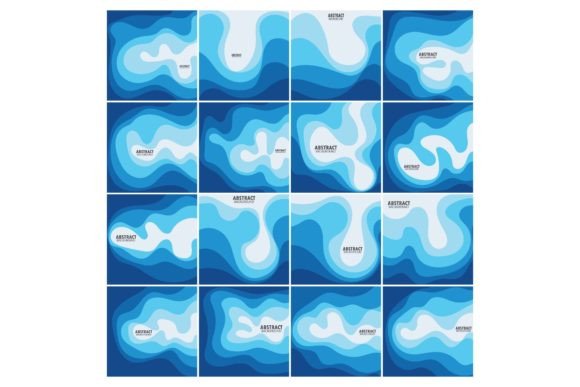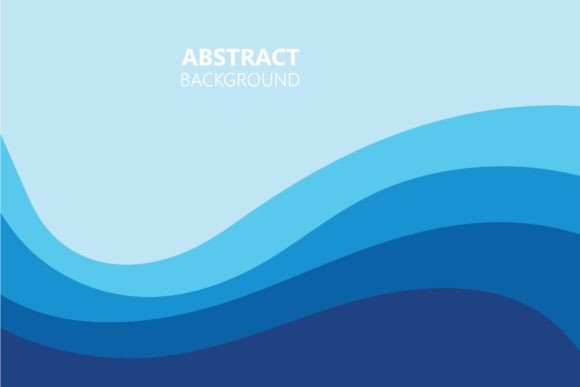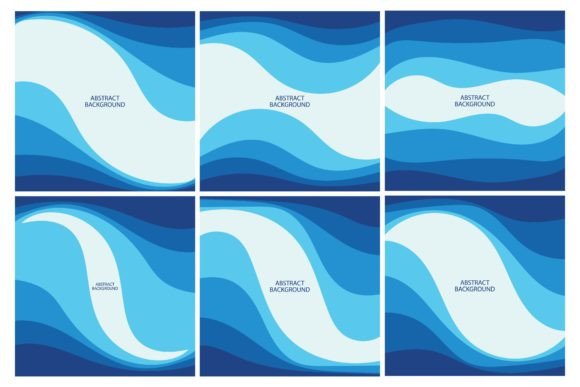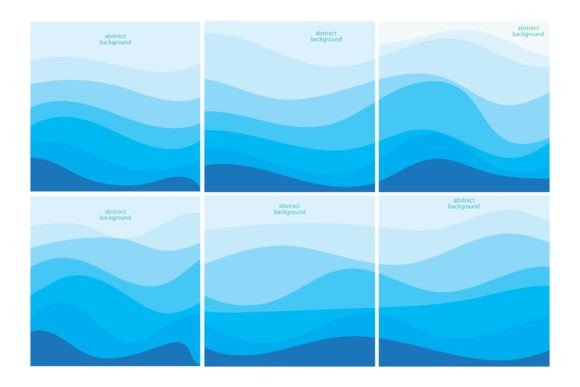
Abstract Background Wave Design Vector: Your Dynamic Canvas
There's a certain energy that a well-designed abstract wave brings to a project. It’s more than just a swooping line; it’s a sense of motion, fluidity, and modern elegance. The Abstract Background Wave Design Vector captures this perfectly, offering a versatile graphic element that can transform a static layout into something that feels alive. Whether you’re crafting a brand identity, designing a website, or creating a social media banner, understanding how to leverage this design asset is key to standing out.
The Visual Pulse of Modern Design
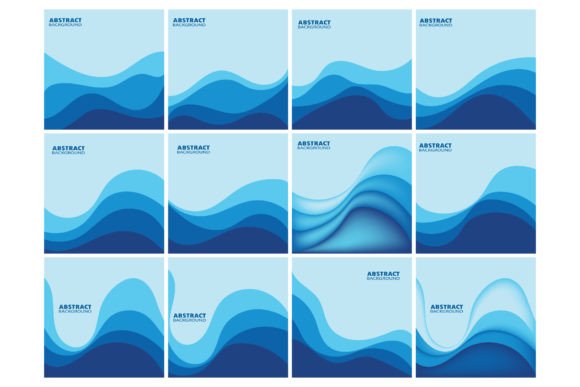
At its core, the Abstract Background Wave Design Vector is defined by its smooth, flowing curves and a sophisticated color palette, often featuring gradients of blue, teal, or other vibrant hues against a clean backdrop. This isn't a chaotic splash of paint; it's a controlled, intentional shape that suggests movement and progress. Its personality is both minimal and dynamic—a combination that resonates strongly with contemporary audiences. The style leans futuristic and digital, making it a natural fit for technology, web, and startup aesthetics. Yet, its organic flow also gives it a human touch, preventing designs from feeling cold or overly mechanical.
This design element works because it solves a common visual problem: how to add interest without clutter. A single, well-placed wave vector can create depth, guide the viewer's eye, or simply serve as a beautiful, textured backdrop that elevates the entire composition. It’s a piece of creative font thinking applied to graphic elements—where form serves a clear, communicative purpose.
Where This Design Truly Shines
Think of the Abstract Background Wave Design Vector as a versatile player in your design toolkit. Its applications are broad, but it excels in specific scenarios where a blend of professionalism and creativity is required.
- Brand Identity & Logo Design: For businesses in tech, wellness, finance, or creative services, a wave motif can symbolize flow, innovation, and connection. It can be integrated into a logo mark or used as a supporting graphic element across brand materials, establishing a consistent and modern typography feel even when used with a sans serif font.
- Digital & Web Design: As a website hero background, a wave vector adds immediate visual interest without competing with headline text. It’s perfect for creating a presentation slide that needs to feel engaging or for designing a banner that captures attention in a crowded social media feed. The gradient versions are particularly effective for creating a sense of depth and dimension.
- Marketing & Editorial Materials: From flyer designs to poster layouts, incorporating a subtle wave pattern can add a layer of sophistication. It works exceptionally well as a backdrop for product photography or as a framing device for pull quotes in a magazine or blog layout. This approach aligns with strong editorial design principles.
- Packaging & Product Design: On physical goods, a wave-inspired design can convey quality and a forward-thinking mindset. It’s a trendy yet timeless choice for labels, boxes, or digital product mockups, helping to build a cohesive brand identity that feels both professional and approachable.
Making It Work for Your Project
Simply downloading a vector file isn’t enough. Successful implementation requires thoughtful consideration. First, evaluate the project's tone. Is it corporate and serious, or playful and energetic? The color and complexity of the wave should match. A subtle, light blue line on a white background speaks to clarity and trust. A bold, multi-colored gradient feels more innovative and disruptive.
Next, consider your font pairing. The abstract wave is a supporting actor, not the star. Pair it with a clean, legible typeface—often a serif font or sans serif font—to ensure your message remains the focus. The wave provides the visual flair; your typography delivers the information. Always test how text reads over the design. Does the contrast meet accessibility standards? Does the wave distract from or enhance the content?
Finally, pay attention to the technical details. A high-quality vector file is scalable for any use, from a small card design to a large-format poster. Review the licensing to ensure it covers your intended commercial use. Many premium font and graphic marketplaces offer these as part of larger design assets bundles, providing excellent value for ongoing projects.
In a landscape crowded with static imagery, the Abstract Background Wave Design Vector offers a breath of fresh air. It’s a tool for creating visual rhythm, guiding emotion, and injecting a dose of contemporary style into any creative endeavor. By understanding its strengths and applying it with intention, you can craft designs that don’t just look good—they feel right.