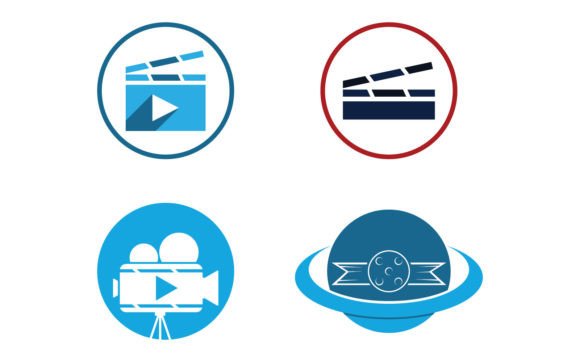
Cinema Movie Vector Design: Beyond the Reel
There is a specific kind of nostalgia that hits you when you see the silhouette of a vintage movie camera or the jagged edge of a filmstrip. It’s a feeling of storytelling, drama, and the golden age of the silver screen. In the world of graphic design, capturing that "Hollywood" vibe requires more than just a photograph; it requires a distinct visual language. This is where the power of Cinema Movie Vector Design assets comes into play. These aren't just simple icons; they are the building blocks of modern entertainment branding, used by everyone from indie filmmakers to major marketing agencies.
The Anatomy of Cinema Aesthetics
When we talk about Cinema Movie Vector Design, we aren't just discussing a single image. We are talking about a comprehensive style guide that encompasses the entire atmosphere of the film industry. A high-quality vector set in this niche usually includes a curated collection of illustration elements: the classic clapperboard, the popcorn bucket, the director’s chair, and the celluloid reel. However, the true value lies in the abstract interpretations of these objects.
A skilled design approach takes these standard movie props and renders them with a specific personality. You might find a 3d style that adds depth to a camera icon, or a vintage treatment that mimics the grain of old film. The visual characteristics often lean heavily into high contrast—think bold blacks against bright reds or metallic golds. This creates an immediate sense of drama. Whether the style is retro and gritty or sleek and modern, the goal is to evoke the emotion of cinema instantly. It’s about translating the motion of a video into a static vector format without losing the energy.
Strategic Applications for Designers and Brands
For designers, entrepreneurs, and content creators, the utility of Cinema Movie Vector Design extends far beyond creating a poster for a local theater. These design assets are versatile tools for building a robust brand identity.
- Event Branding and Festivals: If you are organizing a film festival or a community event, these vectors are essential. They allow you to create a cohesive look across banners, tickets, and posters. A consistent use of a specific filmstrip border or a stylized popcorn icon can unify the visual experience for attendees.
- Digital Marketing and Social Media: In the age of multimedia, grabbing attention on platforms like Instagram or TikTok is harder than ever. Using bold cinema graphics in your social media graphics can stop the scroll. For marketers promoting TV shows, video content, or entertainment blogs, these vectors serve as perfect accent pieces to break up text and highlight key points.
- Editorial and Web Design: For publishers and bloggers writing about the industry, cinematography, or filmmaking, integrating these visuals into editorial design adds authority. A subtle background pattern using a movie tape texture or a sidebar icon of a projector enhances the reading experience without overwhelming the content.
Small business owners in the food and leisure sectors can also benefit. A diner, a drive-in, or a home theatre installation company can use retro vector art to signal their theme immediately. It’s about using visual shorthand to tell your customer, "You’re in the right place."
Technical Considerations: From Vector to Victory
The beauty of working with vector formats is the scalability. A Cinema Movie Vector Design can be stretched to fit a massive banner at a night market or shrunk down to fit a favicon on a browser tab without losing quality. This resolution independence is crucial for maintaining professionalism across different mediums.
When selecting a vector pack, pay attention to the file types. You want editable vectors (like .AI or .EPS) that allow you to customize colors to match your specific brand identity. For example, if your brand colors are navy and silver, you need to be able to change the classic "Hollywood Red" of a velvet rope or curtain illustration to fit your palette. Look for sets that include isolated elements. An isolated camera on a transparent background is infinitely more useful than one locked into a complex scene, as it gives you the freedom to use it in various contexts, from a web design header to a printed brochure.
Creating Atmosphere and Mood
Visuals in the cinema niche do heavy lifting when it comes to mood. The difference between a "fun" movie night brand and a "serious" film critique site often comes down to the style of the vectors used.
A handwritten or script style paired with sketched film equipment creates a personal, indie feel—perfect for a blogger or a podcast about classic movies. Conversely, geometric, sharp-edged vectors with a 3d effect suggest a focus on technology, modern cinematography, and the industry side of things.
Consider the "background" elements as well. A subtle vector pattern of celluloid holes or star shapes can add texture to a website background or a presentation slide deck. It fills the negative space without creating clutter. This use of abstract shapes helps maintain a clean layout while still adhering to the thematic requirements of the project.
Practical Guide for Selection and Implementation
If you are ready to integrate these assets into your workflow, here is a practical checklist to ensure you get the most out of your Cinema Movie Vector Design resources:
- Evaluate the Variety: A good set shouldn't just be ten different angles of a clapperboard. Look for a mix of objects (ticket, popcorn, camera, seat) and conceptual graphics (light rays, sound waves, filmstrip borders).
- Check the Style Consistency: If you mix a flat design icon with a hyper-realistic 3d rendering, it will look messy. Ensure the entire set shares a consistent line weight, color palette, and level of detail.
- Test for Readability: If you are using these vectors as part of a logo or alongside text, ensure they don't compete with the typography. The vectors should support the message, not distract from it.
- Verify Licensing: Always check the commercial license. If you are using these for a client's packaging design or a product for sale, you need to ensure the license covers commercial use. "Free for personal use" is a common trap for entrepreneurs.
Ultimately, Cinema Movie Vector Design is about harnessing the universal language of film